Researchers
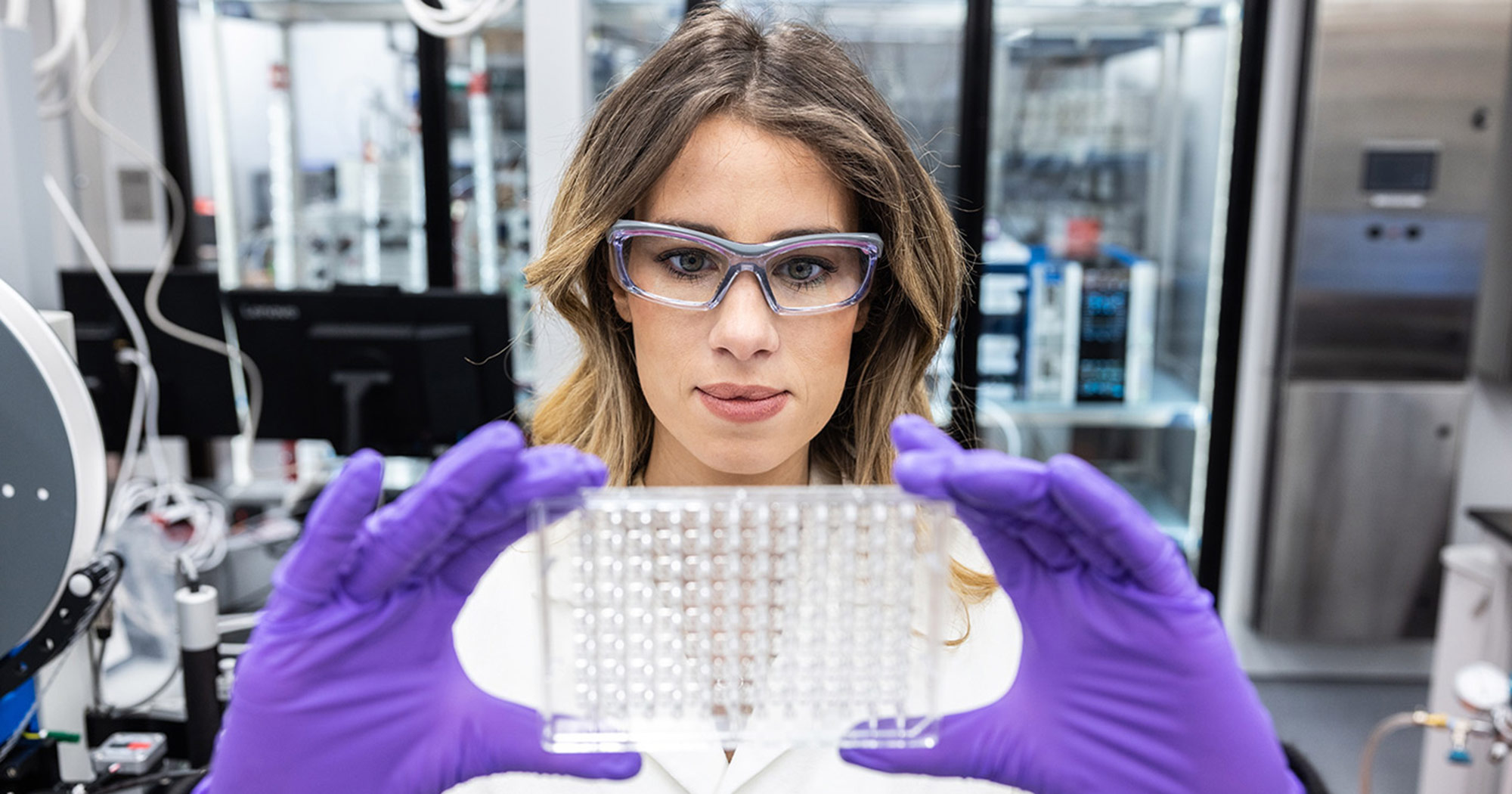
Led by our passion for patients, we actively seek internal and external innovation that can impact areas of high unmet need and transform patients’ lives.

Working together
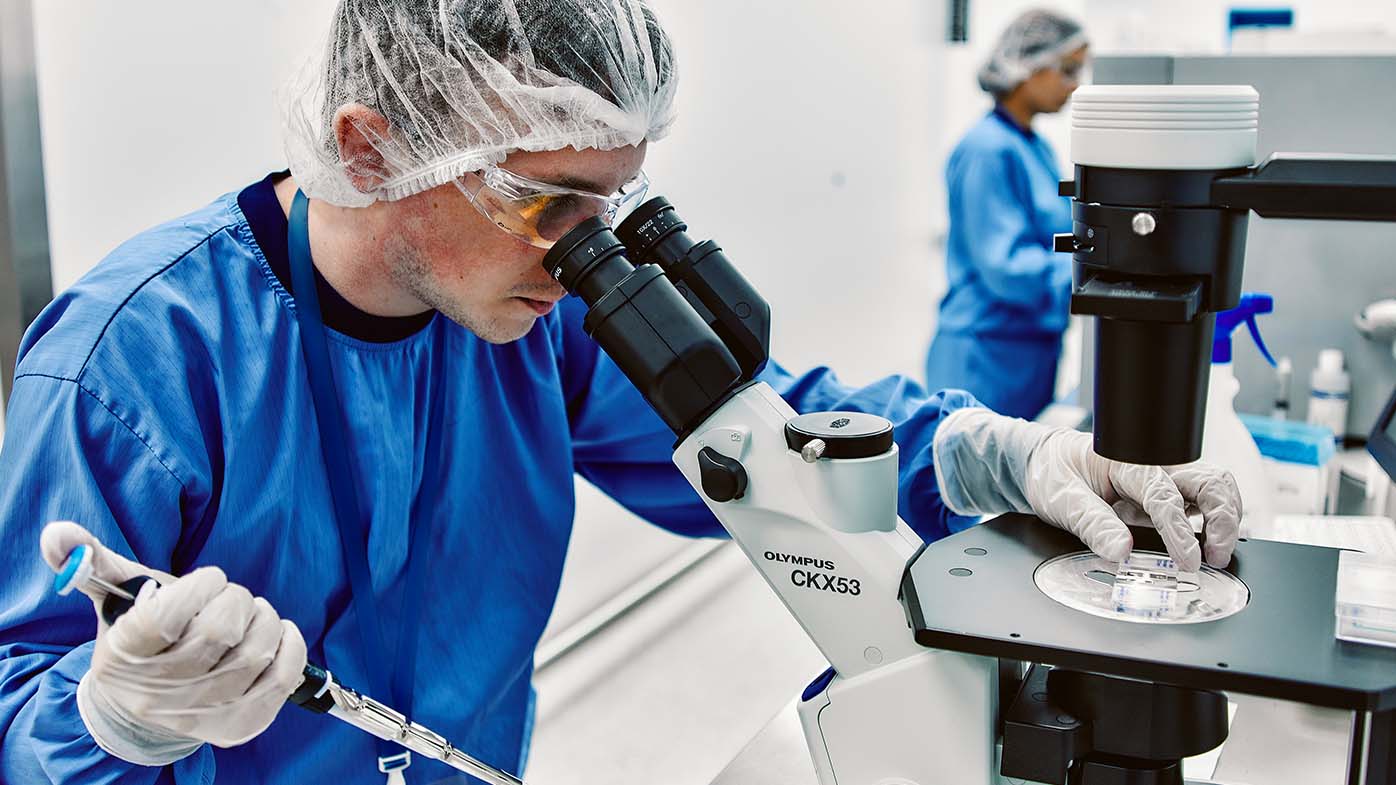
Our people are dedicated to the potential of innovative science everywhere we work. Our curiosity, persistence and desire to solve complex problems allow us to pursue our goal of delivering transformational medicines to patients.
We actively seek partners with access to cutting-edge science that complements the innovation coming out of our own labs. Our business development team collaborates with R&D and organizations around the world to develop transformational medicines.


Researcher resources
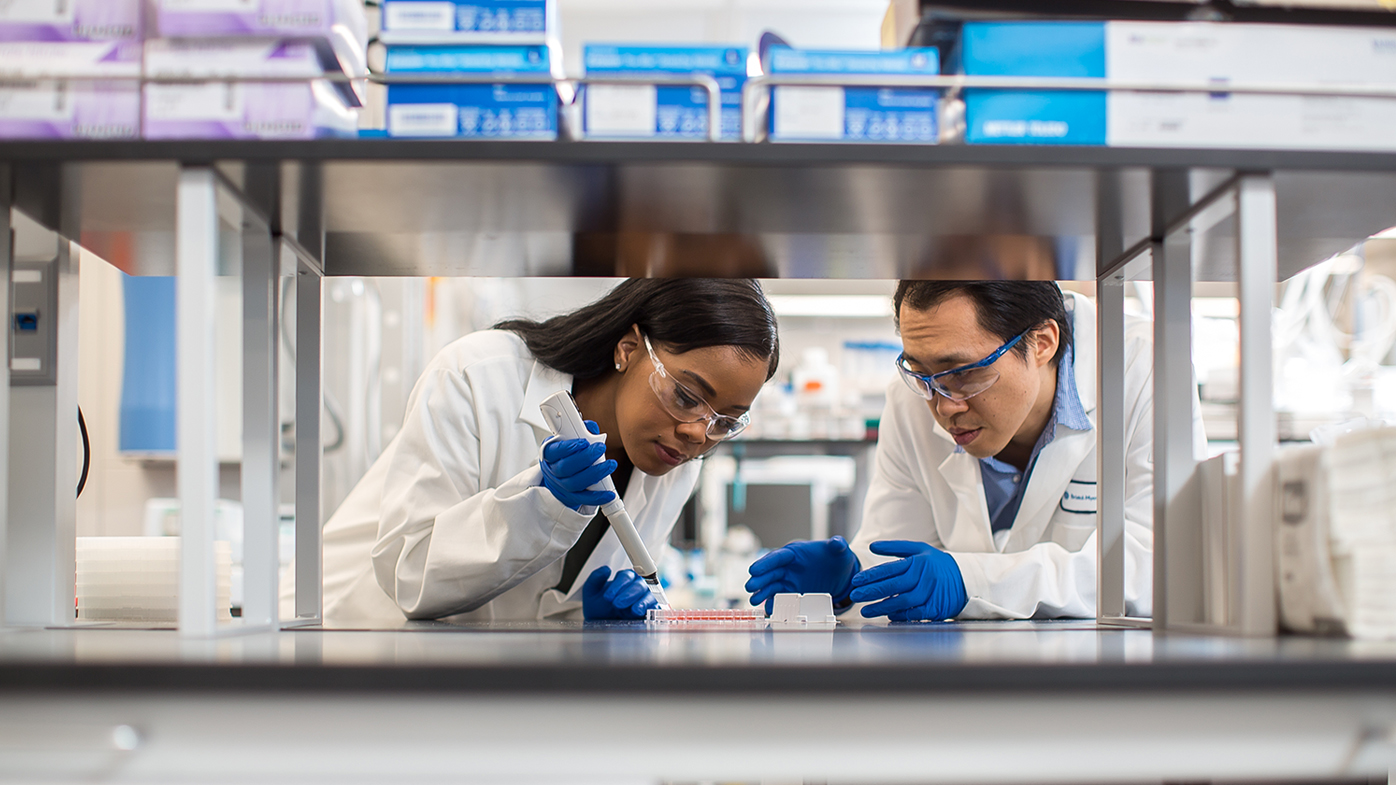
Bristol Myers Squibb wishes to advance science through supporting novel, independent research that addresses unmet need surrounding our products and therapeutic areas.