Drug Safety Evaluation

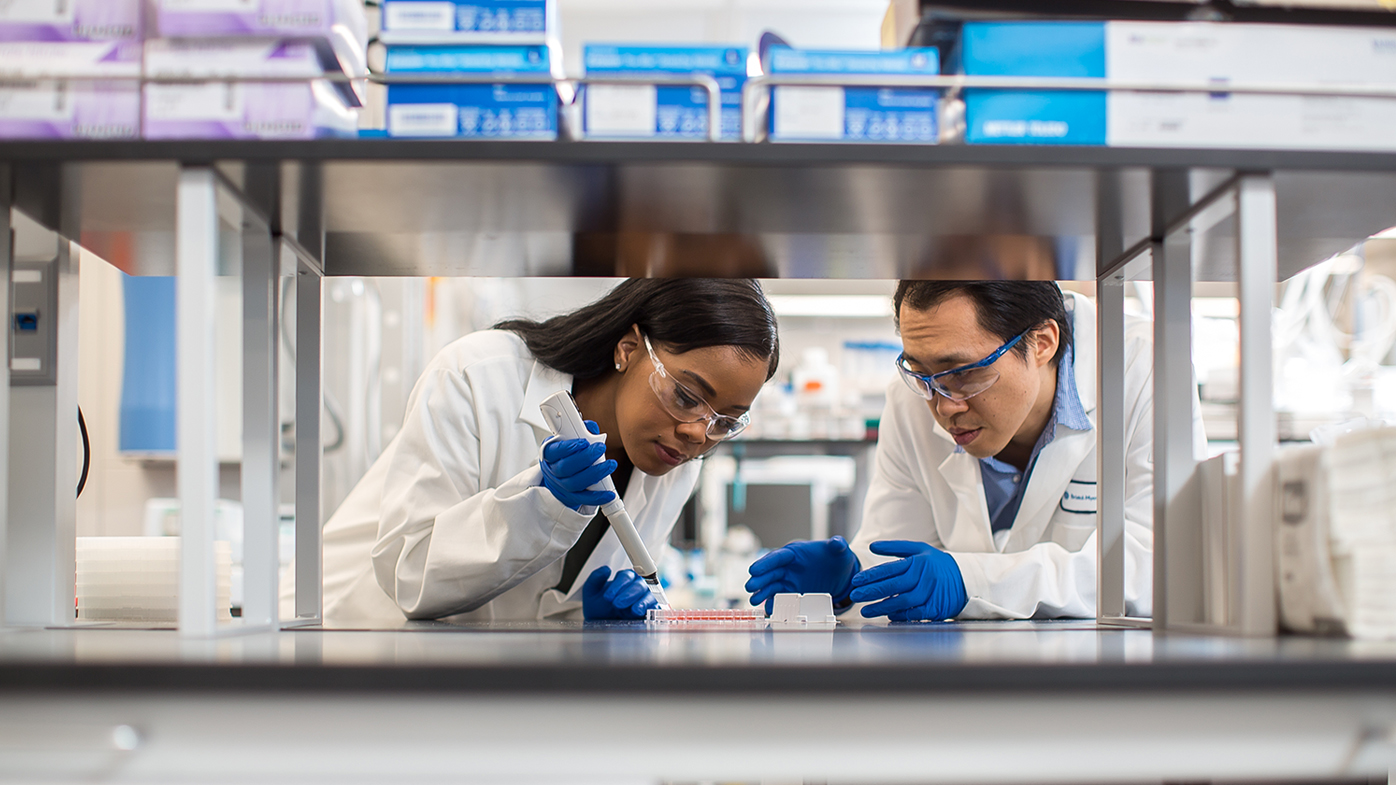
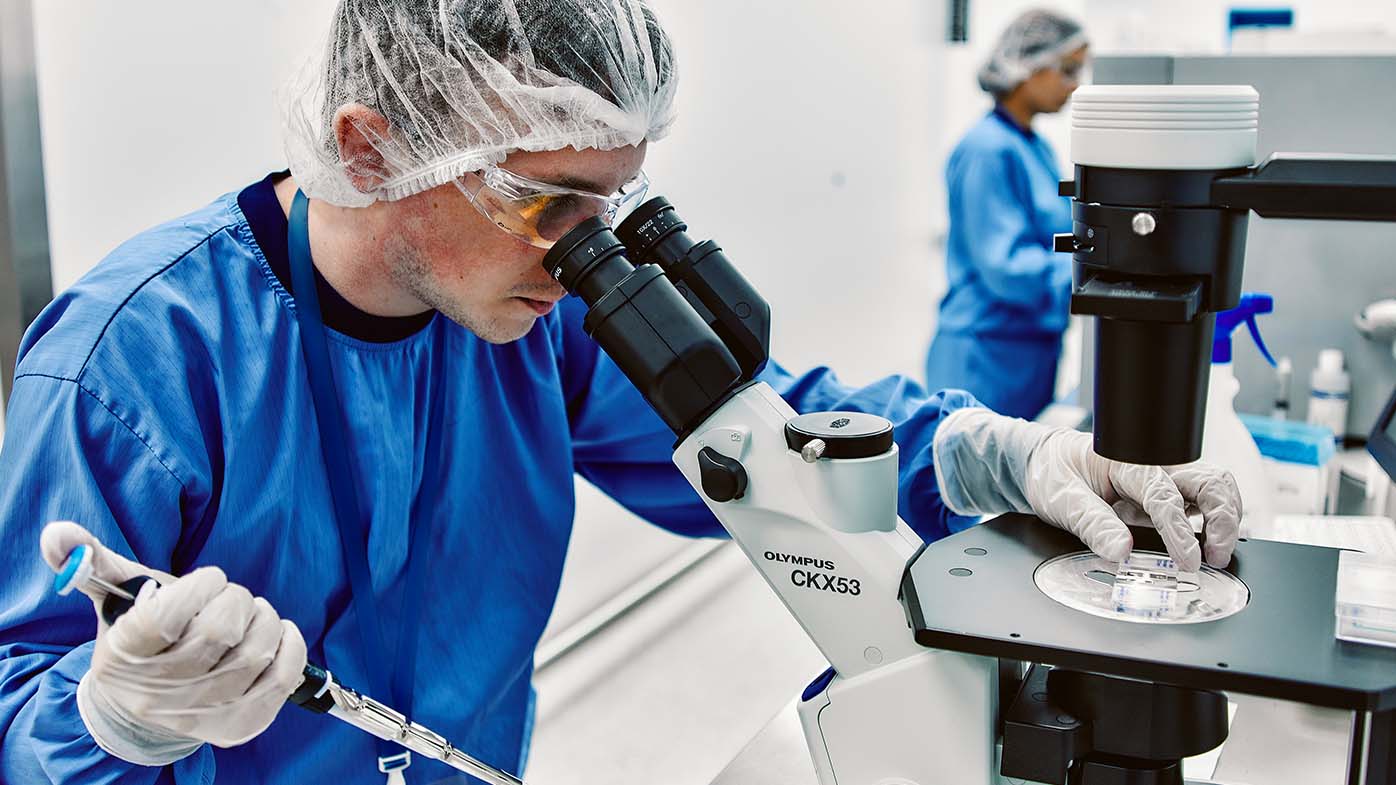
The Drug Safety Evaluation department is responsible for identifying and understanding the potential toxicity of new drugs. This is accomplished by conducting in vitro and in vivo nonclinical safety studies that focus on organ system toxicity, genetic toxicity, developmental and reproductive toxicity, and carcinogenicity.

“In Drug Safety Evaluation we work on one piece of a very, very large puzzle," says Michael Graziano, Ph.D., vice president, Drug Safety Evaluation. "Our goal is to ensure that all of our new drugs can be safely administered to humans.”

Drug Safety Evaluation
At Bristol-Myers Squibb we consider our emphasis on investigative toxicology to be a competitive advantage. We believe that the more we know about our compounds, the better off we are. We have actually rescued compounds that might otherwise have fallen by the wayside by doing rigorous scientific investigations to understand whether toxicities we’ve identified in preclinical studies are relevant in humans. Often we have found there is no relevance under conditions of clinical use, enabling a new compound to move forward in development.

Drug Safety Evaluation has evolved from a more general assessment of toxicity to one which emphasizes an understanding of the mechanisms of toxicity, especially at the biochemical and molecular level. That evolution will continue as greater emphasis is placed on in vitro and molecular assays for hazard identification, and as scientific and regulatory acceptance of toxicogenomics and various in vitro tests as predictive models/endpoints for in vivo safety testing increases.

We are looking for veterinarians, animal technicians, biologists, toxicologists and pathologists with a strong record of individual excellence and the ability to thrive in a collaborative environment.