Areas of interest
Explore Bristol Myers Squibb's areas of interest and research priorities, highlighting opportunities for collaboration and innovation across therapeutic areas and scientific disciplines.
Our approach to external innovation
Bristol Myers Squibb is focused on discovering, developing and delivering innovative medicines that help patients prevail over serious diseases. External innovation and partnering are critical drivers of our strategy. We seek collaborations in our core therapeutic areas and pursue differentiated platforms. We focus on breakthrough science that has the potential to be first- or best-in-class and address areas of high unmet medical need.
Therapeutic areas
Bristol Myers Squibb has pioneered breakthrough medicines that have changed survival expectations for patients with cancer. From the early breakthroughs such as taxane-based chemotherapy to transforming the treatment landscape by harnessing the body’s immune system to fight cancer, we have created an extensive portfolio of investigational therapeutics and approved medicines.
- We leverage our expertise in foundational cancer biology and application of translational approaches to benefit patients across all stages of disease
- We are pursuing bold, novel therapies that focus on disease biology of cancers with high unmet need
- Our diverse and broad toolbox of modalities allows us to match the right therapeutic modality to a molecular mechanism of action
- We are investigating tumor intrinsic and extrinsic pathways, including factors within the immune system, to enable novel cancer therapies
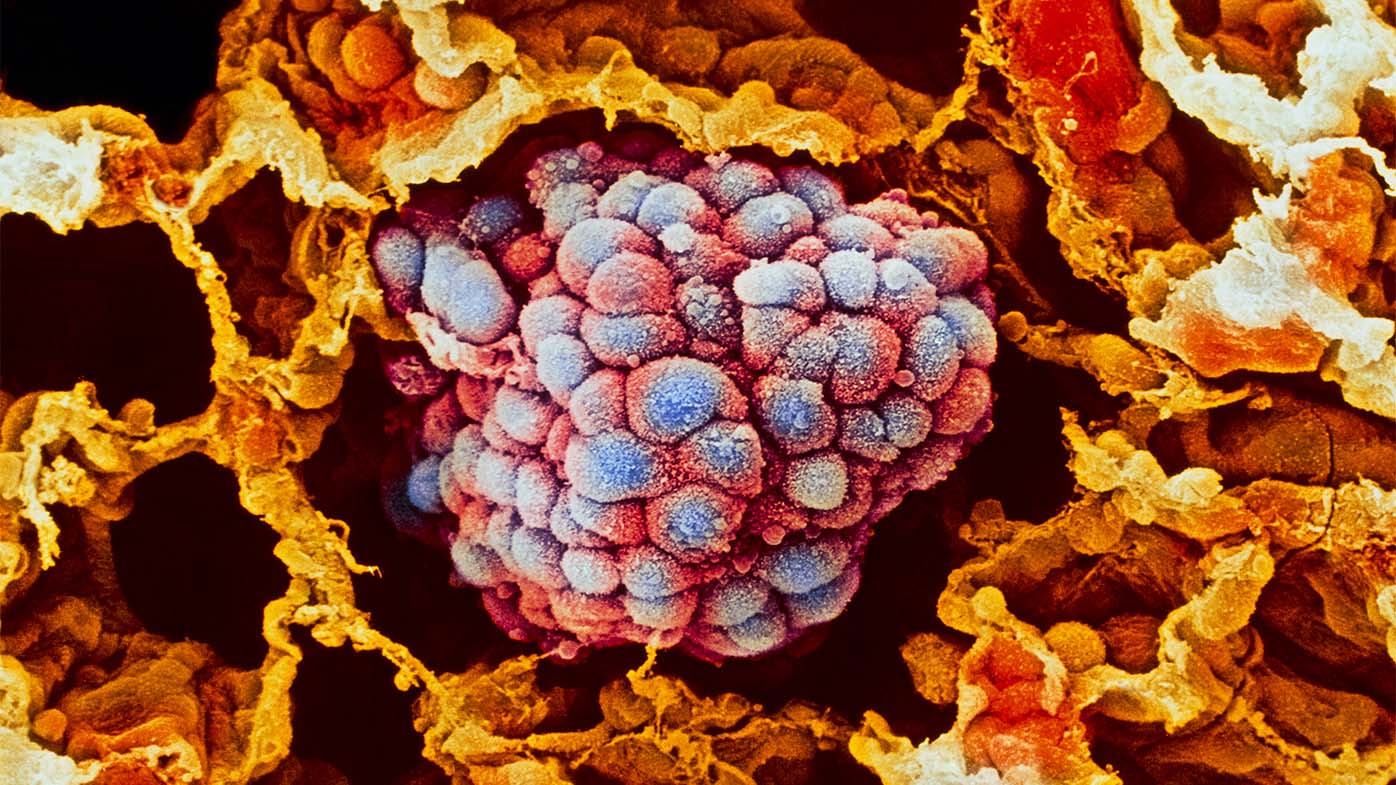
Watch this video to hear from R&D Leaders on our solid tumors areas of interest
Areas of interest include, but are not limited to, the following:
- Emerging modalities, such as radiopharmaceuticals, immune cell engagers
- Continued investment in targeted protein degrader platform
- Leveraging cell surface vulnerabilities with modalities including antibody drug conjugates
- Tumor intrinsic biology with clear patient selection strategy
- Historically intractable targets to develop disruptive and innovative therapeutics
- Novel innate and adaptive immune mechanisms
- Next-generation therapies with differentiated safety and efficacy profiles
- Therapies that address tumor intrinsic vulnerabilities and primary or acquired mechanisms of resistance to standard of care
Bristol Myers Squibb has pioneered groundbreaking medicines and is committed to sustaining its strong leadership and legacy in the development of innovative therapeutics for treating patients with malignant and benign hematological conditions.
Our focus is on Multiple Myeloma, Lymphoma and CLL, AML, MDS, MPNs (e.g., myelofibrosis) and non-malignant conditions (e.g., thalassemias)
Areas of interest include, but are not limited to, the following:
- Targeted protein degradation/homeostasis
- Novel modalities, including ADCs, degrader antibody conjugates (DACs), immune cell engagers and other novel antibody constructs
- Targeting molecularly defined patient segments
- Next generation therapies with differentiated safety and clinical efficacy
- Novel therapeutic targets/pathways and combinations
- Targeting pathways of resistance
Watch this video to hear from R&D leaders on our hematology areas of interest
Bristol Myers Squibb is committed to building a leadership position in cell therapy by leveraging unparalleled disease expertise, CMC capabilities, manufacturing scale and portfolio of first/best-in-class assets.
- Informed by one of the most extensive translational and clinical datasets in CAR T, we are exploring a multitude of next-generation approaches, including allogeneic (“off the shelf”) programs, dual antigen targeting, CAR T cells armed with custom payloads and gene editing. Our goal is to maximize the potential of cell therapy and reach more patients – both with and beyond blood cancer – by expanding into new disease areas with unmet need, such as solid tumors and immunology.
With our bold ambition, backed by a best-in-the-industry team and long-term commitment, we are leading the way to unlock the full promise of cell therapy as we strive to put more patients on the path to a cure.
Areas of interest include, but are not limited to, the following:
- Clinical stage assets with differentiated clinical profile across:
- Allogeneic donor/iPSC, NK cells, Tregs
- Gamma delta T cells
- Additional cell types – e.g., monocytes, NKT cells
- In vivo CAR approaches
- Novel tumor targets and binders – CAR and TCR
- Next-generation engineering (e.g., CAR logic gates, bolt-ons to overcome CT hurdles such as TME modulation)
- Non-viral delivery for modifying cell gene expression
- Enabling manufacturing platforms and technologies
- Combinations with other therapies to increase efficacy
Bristol Myers Squibb is pursuing pathbreaking science in immunology to deliver meaningful solutions that address unmet needs in rheumatology and pulmonology.
- Our team has a strong history of pioneering research on novel pathways and approaches, resulting in new therapies that modulate the body’s immune response to treat disease
- Today, Bristol Myers Squibb’s immunology franchise encompasses several marketed products and a pipeline in clinical development, including in systemic lupus erythematosus (SLE), pulmonary fibrosis and other immune-mediated diseases with high unmet needs
- Our strategic research approach aims to address the root cause of immune-mediated diseases by focusing on resetting the immune system – specifically resetting pathogenic memory B and T cell compartments. With the goal to achieve transformational efficacy, durable remissions, and ultimately, cures, we are also emphasizing the preservation and restoration of organ function through targeting tissue repair mechanisms and addressing fibrosis.
Watch this video to hear from R&D leaders on our immunology areas of interest.
Areas of interest include, but are not limited to, the following:
- Agents designed to eliminate pathogenic immune memory cells including effector B and T cells
- Therapeutic candidates for pulmonary diseases (e.g., pulmonary fibrosis, chronic obstructive pulmonary disease [COPD] and ILD) that act by promoting tissue repair and reversal of fibrosis
- Agents designed to restore immune and tissue homeostasis. Mechanisms of interest include modulation of inflammatory responses, protection of epithelial integrity and normalization of fibroblast activation
- Novel therapeutic modalities that selectively tissue restricted or genetically validated molecular pathways
- Biomarkers of disease activity that enable patient stratification and provide pharmacodynamic readouts predictive of clinical efficacy, with a particular emphasis on biomarker-enabled programs for relevant disease indications
Leveraging longstanding expertise, Bristol Myers Squibb has pioneered some of the most significant advancements in cardiovascular care and delivered transformational results for patients. We are building on our 70-year legacy to take cardiovascular research to the next level, elevate new standards of care and develop first-in-class and best-in-class therapies.
We’re focused on accelerating the next generation of precision therapies that improve both clinical outcomes and quality of life. These include disease-modifying medicines that are designed to help patients living with thrombotic conditions, heart failure, cardiomyopathies and residual risk of cardiovascular disease in ways that were never possible before.

Watch this video to hear from R&D leaders on our cardiovascular areas of interest.
Areas of interest include, but are not limited to, the following:
- Novel mechanisms to treat heart failure
- Agents that target preservation or improvement of renal function/renal perfusion in heart failure patients
- Agents that improve peripheral vascular compliance
- Novel targets and/or cardiac specific delivery of modalities addressing specific cardiomyopathies including genetically defined cardiomyopathies
- Including novel targets and modalities to address cardiac myocyte proteotoxicity, modulators of sarcomere function and cardiac gene insufficiency
- Agents that address residual atherosclerotic risk driven by poorly treated dyslipidemias and/or vascular inflammation
- Next generation targets that provide meaningful cardiovascular risk reduction and address obesity
- Translational tools for patient selection within more precisely defined patient populations
Bristol Myers Squibb is committed to the development of transformational therapeutics for patients living with neurological and neuropsychiatric diseases, with a focus on conditions with critical unmet needs. We work to develop life-changing medicines that modify disease and treat symptoms to improve quality of life.
- We have established an innovative neuroscience pipeline with assets across a breadth of modalities and pathways, accelerated by our growing leadership in neuropsychiatry. Our agile neuroscience research and development model is designed to cultivate a growing pipeline of differentiated drug candidates and deliver meaningful therapies for patients
- We combine internal expertise — including industry-leading discovery and development capabilities, an in-house neuroimaging program, world-class clinical trial operations and capabilities, and a strong emphasis on translational research — with flexible external partnerships to identify and advance the most promising scientific innovation happening across the globe and deliver transformational results for our patients
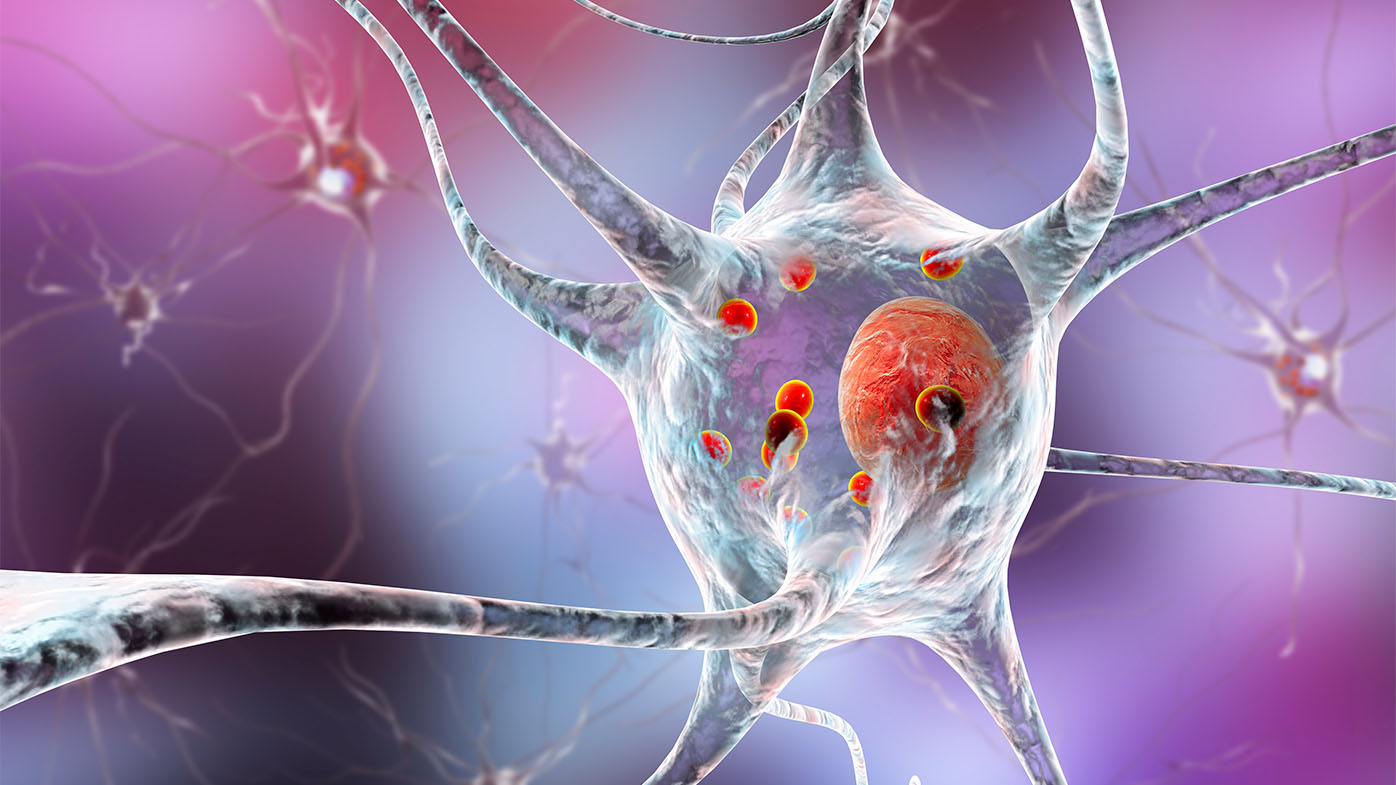
Watch this video to hear from R&D leaders on our neuroscience areas of interest.
Areas of interest include, but are not limited to, the following:
- Disease-modifying therapies for Alzheimer’s, Parkinson’s, amyotrophic lateral sclerosis (ALS), repeat expansion diseases, progressive forms of multiple sclerosis, neuromuscular and movement disorders
- Novel therapies for psychiatric conditions such as schizophrenia, major depressive disorder, anxiety disorders and bipolar disorder where there are symptom domains of high unmet medical need and potential to improve patient outcomes
- Novel therapies for neuropsychiatric symptoms associated with neurodegenerative diseases such as Alzheimer’s and Parkinson’s disease psychosis and Alzheimer’s disease agitation
- Novel therapies to improve cognition in neuropsychiatric disorders
- Targets that modulate brain circuitry underlying psychiatric and neuropsychiatric diseases, protein homeostasis, protein clearance, immune system biology, and neuroinflammation and that reduce, eliminate or clear neurotoxic proteins
- Emerging technologies (RNA gene regulation) that when matched to underlying disease genetics, can deliver a portfolio with a high probability of success to address unmet medical needs
- Novel blood brain-barrier shuttle technologies
- Cell therapies for neuroimmune regulation and reset multiple sclerosis and TCE for gMG or CNS neuron replacement for conditions such as Parkinson’s disease
- Translational tools
- Novel translational biomarkers (Tissue, imaging-, sensor-based) for detection, staging and monitoring progression of early disease
- Novel methodologies for establishing clinical meaningfulness of novel drug candidates as early as possible in disease
Cross-therapeutic areas of focus
At Bristol Myers Squibb, hundreds of world-class researchers make up the translational medicine team, spanning all therapeutic areas of focus from early discovery to commercialization.
Leveraging genomics, proteomics, imaging and bioinformatics, these researchers bring forward new learnings and solutions in efforts to revolutionize treatment strategies for some of the most challenging diseases.
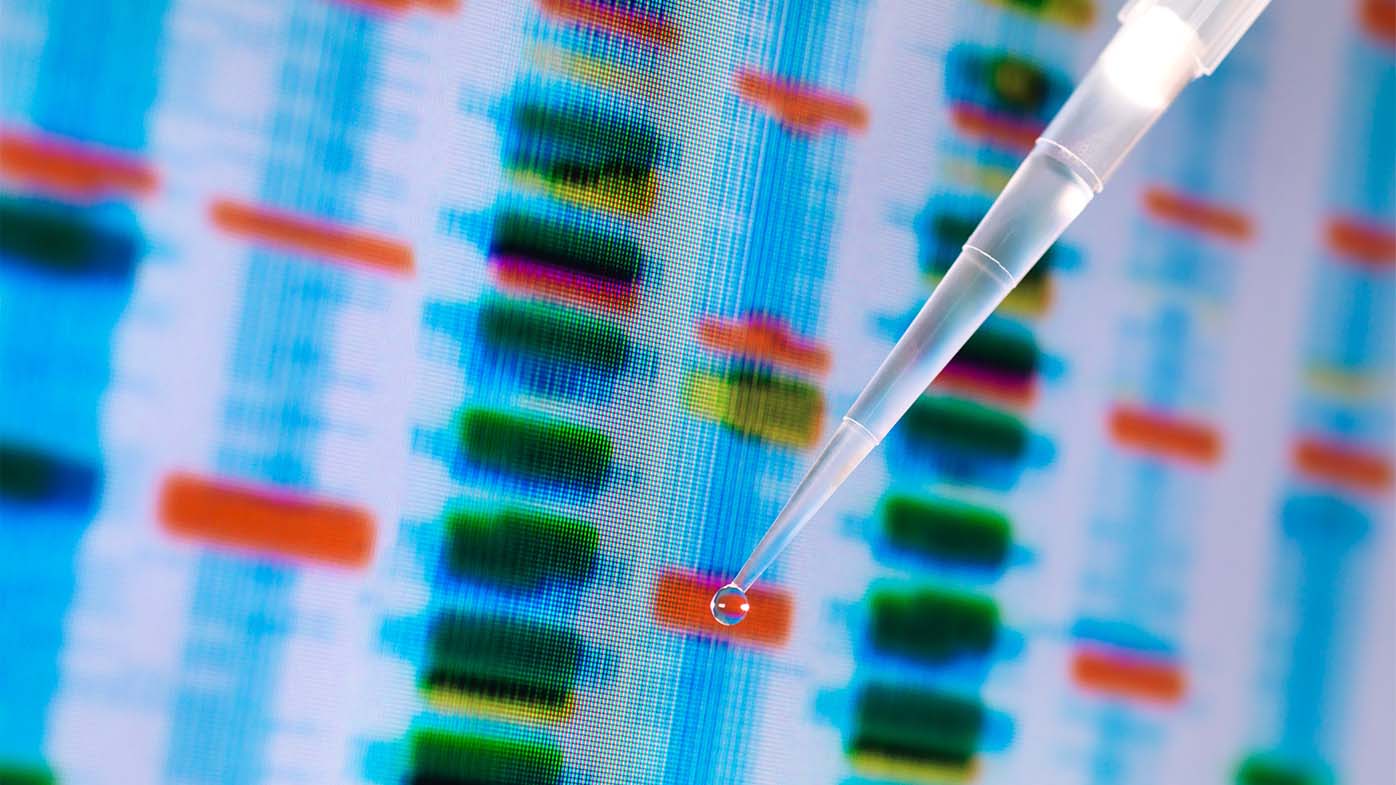
Areas of interest include, but are not limited to, the following:
Innovative biomarker applications to inform target identification, disease characterization and treatment optimization:
- Diagnostic approaches to stratify/select patients most likely to benefit from therapy
- Pharmacodynamic assessment of dose and treatment response
- Biomarkers of emerging or novel clinical endpoints (e.g., minimal residual disease)
- Technologies and systems to elucidate disease biology (including the tumor microenvironment) and mechanisms of resistance
Biomarker and bioanalytical technologies and platforms:
- Novel histopathology approaches; multiplexed fluorescence-based platforms and digital pathology and imaging analysis software applications
- Multicolored flow cytometry assays (exploratory and diagnostic grade), for both peripheral and tumoral assessment
- Proteomic technologies including high-resolution or high-plex applications
- Genomic-based platforms covering qPCR, ddPCR and NGS: gene expression profiling and tumor and germline DNA deep sequencing; spatial transcriptomics and single-cell RNAseq; methylation and epigenomic profiling; liquid biopsy applications (cfDNA and cfRNA)
- Novel radiomic imaging capabilities and alternate tracer platforms
At Bristol Myers Squibb, we are transforming the future of drug discovery and development. We approach biology as a computational and engineering challenge, harnessing predictive science, automation and advanced technologies to decode complex biological systems and accelerate therapeutic innovation.
We actively seek strategic partnerships with academic innovators, technology developers and biotech companies advancing breakthrough research and enabling technologies that complement and extend our R&D capabilities.
Next-generation discovery platforms
- Targeted protein degradation: Innovative platforms that enable selective and efficient degradation of disease-driving proteins
- Single-cell omics: High-resolution genomics and proteomics platforms revealing cellular mechanisms and heterogeneity
- Label-free target engagement: Real-time, non-invasive approaches to assess drug-target interactions in living systems
- Novel target discovery: Discovery platforms identifying new biological targets, including those relevant to neuromuscular and neurodegenerative diseases
- Protein structure innovation: Emerging platforms advancing the speed, precision and scalability of protein structure determination
- Automated chemical synthesis: High-throughput and AI-enabled synthesis technologies to accelerate compound generation, optimization, and access to novel chemical space
Novel modalities and biotherapeutics
- Novel biotherapeutics: Next-generation biologic modalities — including multi-specifics, immune cell engagers and engineered scaffolds — that expand therapeutic mechanisms beyond traditional antibodies
- T-cell engagers: Innovative T-cell engager formats designed to improve therapeutic index, potency and selectivity in oncology and immunology
- Novel modalities for difficult-to-drug targets: Emerging molecular architectures and delivery strategies that enable modulation of previously intractable targets
- Antibody-drug conjugates (ADCs): Novel targets, including post-translationally modified forms, supported by strong mechanistic rationale and preclinical validation
Innovative ADC payloads
- Dual payloads: Combining complementary payload mechanisms to overcome resistance and broaden efficacy
- Novel mechanism payloads: Payloads with new biological mechanisms, such as TOPO1 inhibitors, that enhance selectivity and therapeutic index
- Degrader antibody conjugates (DACs): Hybrid modalities that merge targeted degradation with antibody-directed delivery for enhanced tumor specificity
- Access to new chemical matter: Macrocycle and fragment libraries that broaden chemical diversity and structural innovation
Cell and Gene Therapy Enablers
- In Vivo CAR-T and Advanced Cell Therapies: Technologies enabling direct in-body programming and delivery of CAR-T and other engineered immune cells
- Engineered and Stable Cell Lines: Platforms that improve protein expression, product quality, and manufacturing scalability
- Advanced Delivery Systems: Viral and non-viral delivery platforms, including blood-brain barrier (BBB)–penetrant and payload-based systems for precise targeting
- Microfluidics and Imaging Platforms: High-throughput functional screening, 3D bioprinting, and AI-driven imaging for dynamic cell analysis and tissue mapping
Drug Delivery and Formulation Technologies
- Enhanced Absorption and Bioavailability: Technologies that improve GI uptake and enable alternative delivery routes (colonic, intraoral, subcutaneous, intra-tumoral).
- Protein Stabilization and Concentration: Solid-state stabilization strategies supporting high-concentration parenteral formulations
- Controlled Release and Delivery Devices: Platforms providing precise control over drug release and administration
- Peptide Delivery Technologies: Solutions that enhance permeability, stability, and therapeutic exposure of peptide-based drugs
Computational and Translational Innovation
- Artificial Intelligence and Machine Learning: Predictive, generative, and optimization tools that accelerate discovery and early development
- Systems Biology and Mechanistic Modeling: Integrated computational frameworks for pharmacologic and toxicologic prediction
- Translational Preclinical Models: Human-relevant and disease-specific models improving predictability of clinical outcomes
- Companion Digital Therapeutics: Digital solutions that complement therapeutics, optimize care delivery, and enhance patient engagement