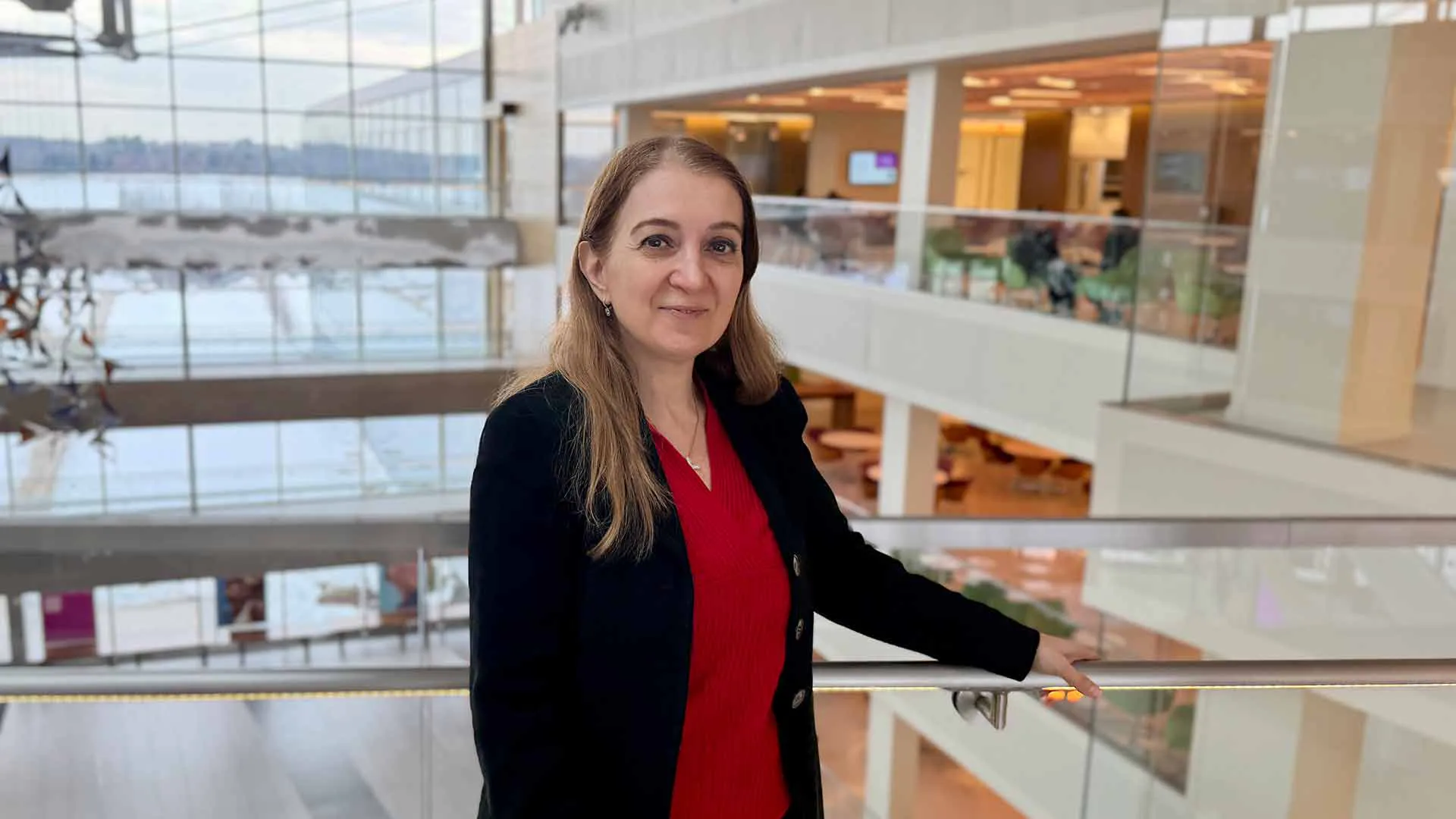
Living with or caring for someone with multiple myeloma (MM) can feel overwhelming. While there are more treatment options than ever, there are still real challenges from access to cutting-edge therapies to the ever-present threat of relapse. Mecide Gharibo, MD, a compassionate, experienced clinician and vice president and Hematology Disease Head within Global Medical Affairs at Bristol Myers Squibb, shares her insights on these challenges and how BMS is working to bring new hope to patients facing this disease and their care partners.
Q: Starting with the basics, multiple myeloma is a complex disease. Can you discuss the symptoms, prevalence and risk factors?
Mecide: Of course. MM is a type of blood cancer that most commonly starts in the bone marrow and is one of the more common blood cancers with over 38,000 patients diagnosed yearly in the United States. Certain white blood cells called plasma cells become abnormal and start to grow out of control. These cells can build up in the spine, pelvic bones, ribs and areas of the shoulders and hips – and produce abnormal proteins that may cause kidney problems.
For many people living with MM, the story begins with...nothing. No pain or warning signs – which can make the diagnosis even more surprising. Others sense something shifting: a stubborn bone ache or unexplained fracture, a wave of fatigue that won’t go away, infections that seem to linger, constant thirst or a sudden loss of appetite. Some notice numbness or tingling or hear from their doctor that their kidney numbers look different. If you notice any of these changes, talking with your doctor can help you figure out the next step.
While we do not know the exact cause of MM, we do know it can be more common in males, individuals with African descent, people with excess body weight, those with a parent or sibling who have had MM or those with other plasma cell diseases. Most cases are diagnosed in individuals 65 years old or older.
Q: There has been a lot of progress in MM, but people still face challenges. From your experience, what are the biggest hurdles that patients and their doctors face today?
Mecide: When I was caring for MM patients, I saw firsthand the unique difficulties this disease can bring. One of the biggest hurdles is that MM can come back after treatment (relapse) or stop responding to medicines that once worked (resistance). Navigating these setbacks, along with getting access to the right care, complex treatment regimens and the constant fear that the cancer will come back or become resistant to treatment can all take a real toll.
Those challenges can be even more pronounced for older patients. Many already face health issues like weakness or impaired kidney function, which require careful treatment adjustments. And despite the incurable nature of the disease – and the fact that a significant portion of patients may experience relapse or treatment resistance – most are treated in community settings, where they may not have access to specialized centers.
Q: What disparities exist in MM and how is BMS helping to close gaps in care?
Mecide: The unfortunate truth is that MM has some of the worst and most persistent disparities of any cancer. For instance, Black patients are twice as likely to be diagnosed with MM compared to white Americans.
Despite being disproportionately affected by MM, Black patients often encounter significant barriers to receiving timely, specialized care. Black patients experience higher rates of misdiagnosis or delayed diagnosis, which means they often present with more advanced disease. Many individuals in this community, along with those living in rural areas, are treated primarily in the community setting and need better access to facilities such as academic medical centers for certain complex therapies. Even when treatment is available, life circumstances like transportation, childcare or financial burdens can make it incredibly challenging to stick with their treatment plan. However, they respond to treatment as well as white Americans.
At BMS, we believe every patient should have the opportunity to benefit from medical innovation, regardless of who they are or where they live. This includes access to effective and tolerable therapies, including oral therapies that fit more easily into people’s lives. This commitment inspired us to create the Standing in the GAAP program in 2016 to help close longstanding disparities in diagnosis, care and survival experienced by Black patients with MM. Since its launch, we’ve engaged patients and reached thousands of healthcare providers with tools and education, and continue to evolve the program based on what communities need most.
Q: What excites you about MM research?
Mecide: When I was in medical school, I remember seeing the very early advancements in MM treatments. To witness the incredible progress that has happened since then, it’s truly exciting. At BMS we’re continuing to explore new scientific approaches to better understand MM. One area of focus is our cell therapy portfolio, that targets myeloma using patients’ own immune cells that have been modified in a special way, where we’re exploring new targets like GPRC5D, while another is our CELMoD research platform. Our CELMoD research platform is an investigational approach designed to be more precise in removing proteins that cancer cells rely on to survive which slows or stops cancer cells. Removing these proteins also helps strengthen the immune system, helping immune cells recognize and fight cancer cells.
It’s like looking under the hood of a car to see how the parts work together. While this research is still early, the insights we gain may help inform how care can fit more easily into people’s daily lives and communities.
And for those whose MM has returned after several different treatments, we are actively investigating new targets with our cell therapies to address for whom more effective treatments are needed. There’s also great ongoing progress with 'bispecific antibodies' and ‘tri-specifics.’ Think of these as smart medicines with built-in GPS that know exactly which cells to connect with and activate.
Q: Imagine you’re back in your clinic, talking to someone who has just been diagnosed with multiple myeloma. What would you say to them?
Mecide: I would start by giving them space to process the news and then reassure them that while MM is a serious disease, our understanding of it has grown tremendously - and we continue to learn more through ongoing research and clinical trials and with treatment, many patients can experience long remissions. We’ll walk through every available option together and adjust as needs change. My message would be simple: you have options, you’re not alone, and there’s a whole community of clinicians, researchers and advocates working every day to better understand this disease, bring new therapies and support to the people living with it.